


We're All About
Baseball Cards
 What makes your baseball cards valuable:
- Is there a rare error that was quickly connected?
- Is the card a rookie card?
- How common/uncommon is the card?
- What condition is the card in?
- How popular is the player right now?
- Is that player in the hall of fame?
- What company produced the card?
- Is the card autographed?
These are all factors that can make a big difference. Vintage cards are much harder to find, much rarer, and harder to find in good condition. Some years companies produced fewer “rookie decks” than other companies. This is why an Upper Deck Ken Griffey Jr. rookie card is worth way more than Fleer or Donruss rookie card.[/vc_column_text]
Baseball Card
GRADING GUIDE
MINT CONDITION
A card in perfect condition
[/vc_column_text][/vc_column_inner][vc_column_inner width=”1/3″]NEAR MINT
A card that is as close to perfect as possible
[/vc_column_text][/vc_column_inner][vc_column_inner width=”1/3″]EXCELLENT
Surface gloss might have a slight fade, corners might be slightly shaped
[/vc_column_text][/vc_column_inner][/vc_row_inner][vc_row_inner css=”.vc_custom_1658273347439{padding-top: 30px !important;}”][vc_column_inner width=”1/3″]VERY GOOD
Clearly worn, shaped borders, some small creasing
[/vc_column_text][/vc_column_inner][vc_column_inner width=”1/3″]GOOD
Quite a bit of wear and use, including creases and shaped corners
[/vc_column_text][/vc_column_inner][vc_column_inner width=”1/3″]POOR
Heavy wear and damage, creases, and/or rounded corners for collecting only
[/vc_column_text][/vc_column_inner][/vc_row_inner][/vc_column][/vc_row][vc_row full_width=”stretch_row” add_layers=”1″ extra_layer_repeat=”repeat” cws_layer_image=”1138″ extra_layer_width=”100″ extra_layer_height=”91″][vc_column]Organizing Your Collection
3 THINGS TO CONSIDER
 To better determine the value of your cards, place them into three different categories. The first category is modern cards, or cards that were produced from the 1970s to the present. Then your next category is post-war cards, or cards produced between 1948 and 1969
 A great way to showcase a larger collection of hand-selected cards is by organizing them in a binder. Purchase a binder and pocket protection pages.
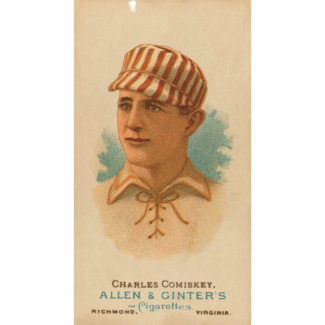 Organize your baseball cards by brand and year. Start with the oldest, most valuable cards, and move to the newer, less valuable cards.